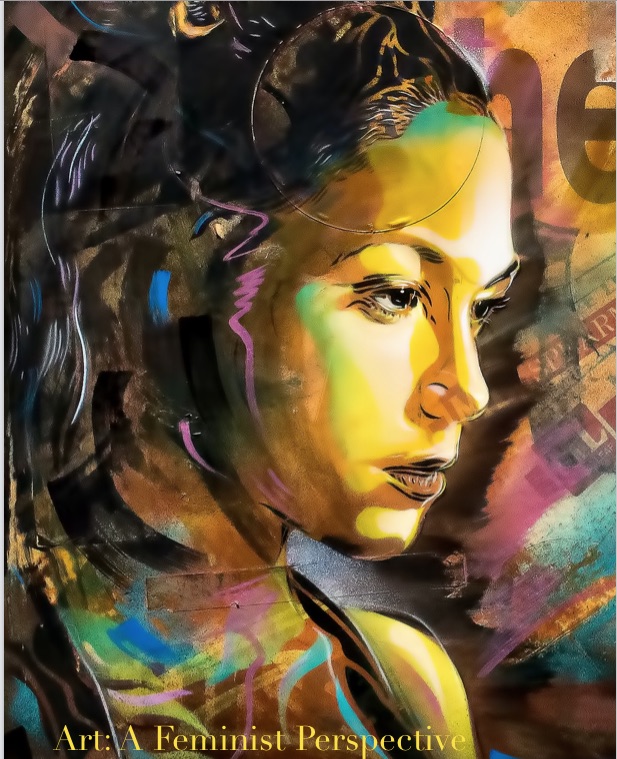
Art: A Feminist Perspective
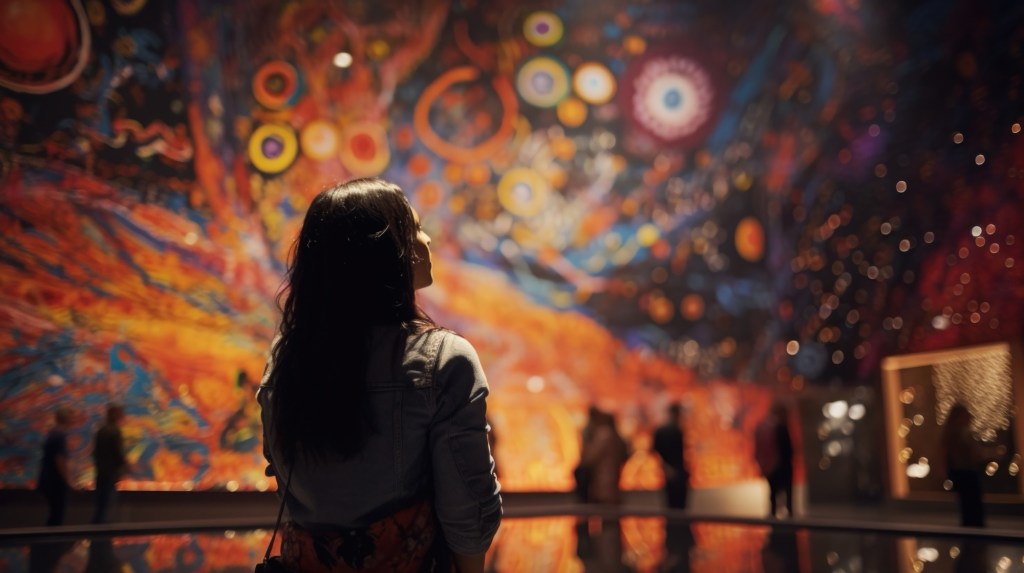
In further exploring the categories of art follows a trail of feminist artists that approach diverse topics and problems in our society which affect the female experience. During the course of history, feminist movements have contributed to the transformation of dominant ideologies of society regarding women and gender norms. So is the case with feminist art, whereas the goal is to achieve getting closer to gender equality using free and subjective self-expression.
This article takes a look at some ways that feminist art can make an impact in changing cultural attitudes and stereotypes from a feminist perspective. To do so, we also aim to present a deeper understanding of the feminine anatomy. This is because historically the representation of the female body is linked with oppressive systems and repressive expectations of society responsible for stifling a woman’s growth.
With such forms of new art in the 70’s, Faith Wilding, a multi-disciplinary artist introduced her work focused on the constructions of gender as well as social constructions based on the body. She was widely acknowledged for her performance art due to her ability to combine fascinating dramatic performances with forms of visual art, which in some cases were scripted or unscripted.
Wilding, along with others, kept moving forward and advancing by suggesting new concepts that retaliated traditions that belittled women and women artists. Her work was phenomenal through its demonstration of originality and professionalism particularly to those who rejected the diverse perspectives and thought process of women.
Additionally, because of Wilding’s content it was speculated that there were many occasions which presented themselves as awkward, painful, and uneasy by viewers visiting her installations and which found it difficult to discuss or confront some of the topics at hand.
On a more positive note, many of Wilding’s installations set the stage for viewers to identify and understand contemporary ways to present the female anatomy. To learn more about Faith Wilding, see http://faithwilding.refugia.net.
In like manner, these types of creative works have proven to be influential in the arena of feminist art as well as the overall endeavors concerning contemporary art. According to Jill Fields, “As feminist art history—like women’s studies—took on a life of its own distinct from the broader mobilizations of the women’s movement, scholars in this active field developed theories regarding feminist aesthetics; deployed gender as a category of analysis to assess artistic production by men and women across a wide spectrum of time and space;” 1 Furthermore, Fields goes on to say that, “The feminist art movement developed in conjunction with the wider women’s movement because female artists faced discrimination in pursuing professional careers and because art depicting women’s subjective experiences was discouraged and disparaged by the art world establishment.”2
Today, feminine art presents an empowerment zone for opposing tyrannical mindsets and customs against women, particularly when introducing visualizations of the female body.
In actuality, feminine art spotlights an interesting female gaze as opposed to depicting art from a masculine point of view and as objects of male pleasure. It also gives feminine artists a conduit for poking fun at the concept of artistic talents of males being related to his sexual potency.
Consequently, the collaborative efforts of Wilding and so many others like Judy Chicago and Martha Rosler paved the way for the acceptance and introduction of feminist works in art galleries and well-known museums. To learn more about Martha Rosler, please visit: http://www.martharosler.net.
The Feminist Art Program (FAP) was an art program for women developed in 1970 by artist Judy Chicago which converted an old mansion into an installation and performance space. To learn more about Judy Chicago, please visit: http://www.judychicago.com.
Not only was the groundwork of feminist art pivotal in challenging phallocentrism, the male gaze and the many limited roles of women, but it also impacted the way it would present the female experience and give more opportunities for the average woman to succeed as a professional artist.
Breaking traditional customs, these early pioneers of feminist art devised a visual culture which would critique the patriarchal ideologies of our time while communicating to the general public on a massive level.
Article Sources:
Jill Fields. 2012. “Frontiers in Feminist Art History.” Frontiers: A Journal of Women Studies 33 (2): https://doi.org/10.5250/ fronjwomestud.33.2.0001.
Most importantly, feminist art set out to accomplish the most important goal and that is to reveal to the world the stereotypes, biased behavior, and attitudes toward women while exposing some of the ugly truths and internal struggles that affect women.
Together, over the years, feminist artists have united by developing organizations that allowed them to share their work with a massive audience, and in the process created a movement that ultimately changed the course of feminism as well as the history of art.
__________________________________________________________________________________________________________________________________
About The Author:
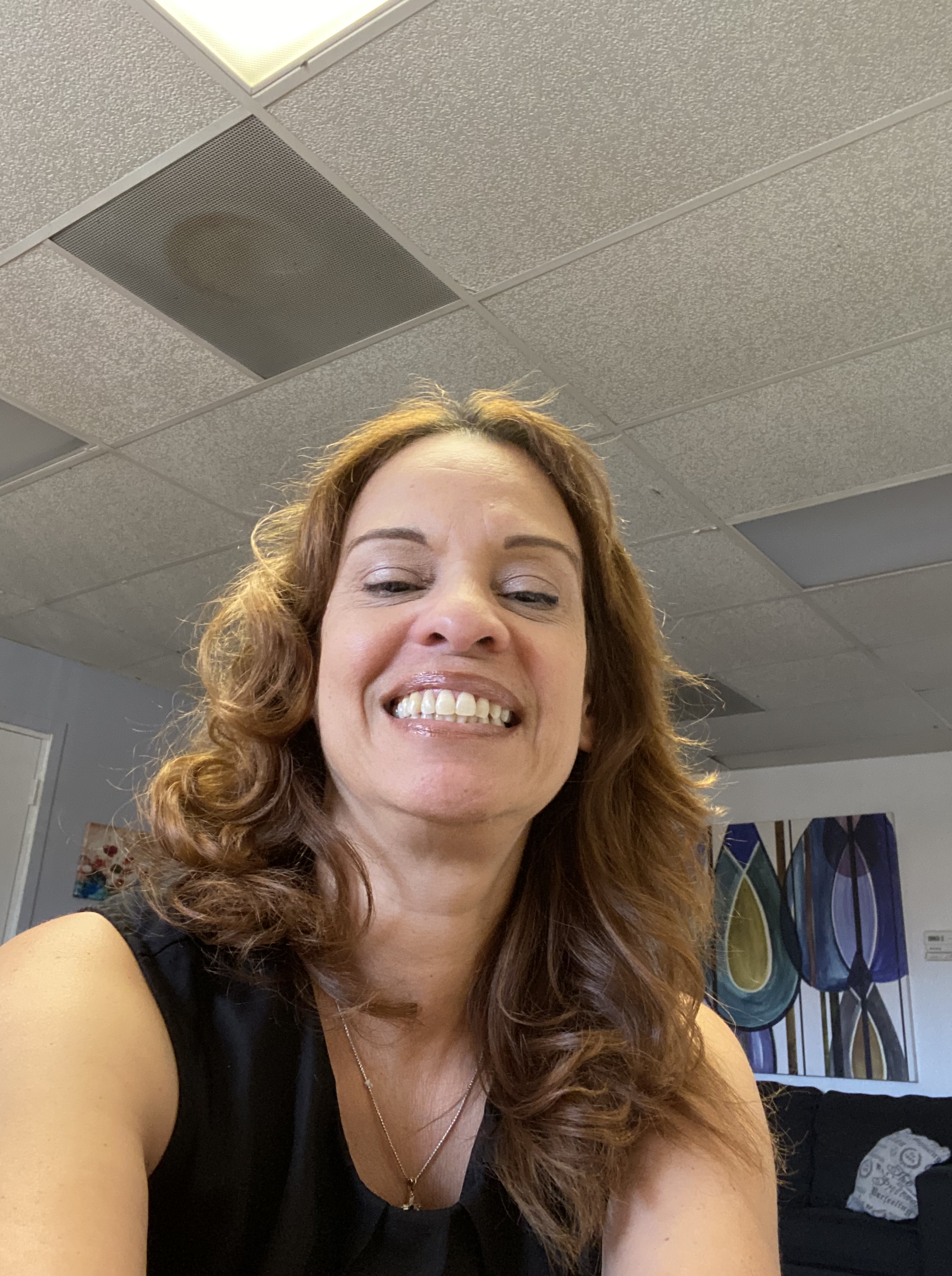
Yvette Paez is the Founder of Modern Miracles, an organization structured within several main initiatives in the areas of education and business. Ms. Paez has completed a Master’s Degree in Liberal Studies from SUNY Empire State College with an Advanced Certificate in Women’s and Gender Studies.
She is a magazine publisher and developer of creative initiatives for women and is currently integrating her educational background to inform others about women advocacy and gender inequality topics and exploring solutions that are relevant to women in the workplace and in pursuing creative entrepreneurship opportunities.
_________________________________________________________________________________________________________________________________
 theladiesclub.group